
Get Vapor Barrier Installation in Lawrenceville, GA
Vapor barrier installation services help property owners in Lawrenceville, GA, and nearby areas prevent moisture problems in crawl spaces, basements, and attics, protecting structural integrity and indoor air quality.
Vapor barrier installation services are essential for property owners in Lawrenceville, GA looking to enhance the durability and functionality of their buildings. Properly installed vapor barriers help prevent moisture from seeping into walls, floors, and basements, reducing the risk of mold growth, wood rot, and structural damage. This work can improve indoor comfort by maintaining a more consistent environment and protecting property investments from costly repairs caused by moisture-related issues. Additionally, a well-executed vapor barrier can contribute to the overall curb appeal by helping maintain the integrity and appearance of a property over time.
Property owners often seek vapor barrier installation to improve safety and reduce ongoing maintenance needs. By controlling moisture levels, these barriers help create a healthier indoor atmosphere, minimizing potential health risks associated with mold and mildew. They also enhance the building’s durability, leading to decreased maintenance requirements and prolonged lifespan of structural components. With professional installation, property owners can achieve a dependable barrier that supports long-term performance and preserves the value of their property in Lawrenceville, GA.
- Vapor Barrier Installation Services - homeowners may need vapor barriers installed in crawl spaces to prevent moisture buildup and mold growth.
- Basement Vapor Barrier Services - property owners might seek vapor barrier solutions to control humidity and improve indoor air quality.
- Attic Vapor Barrier Services - individuals may require vapor barriers in attics to reduce condensation and protect insulation.
- Commercial Vapor Barrier Services - businesses may need vapor barriers installed in storage areas or commercial basements to maintain structural integrity.
- New Construction Vapor Barrier Services - builders often incorporate vapor barriers during new construction projects to ensure long-term moisture control.
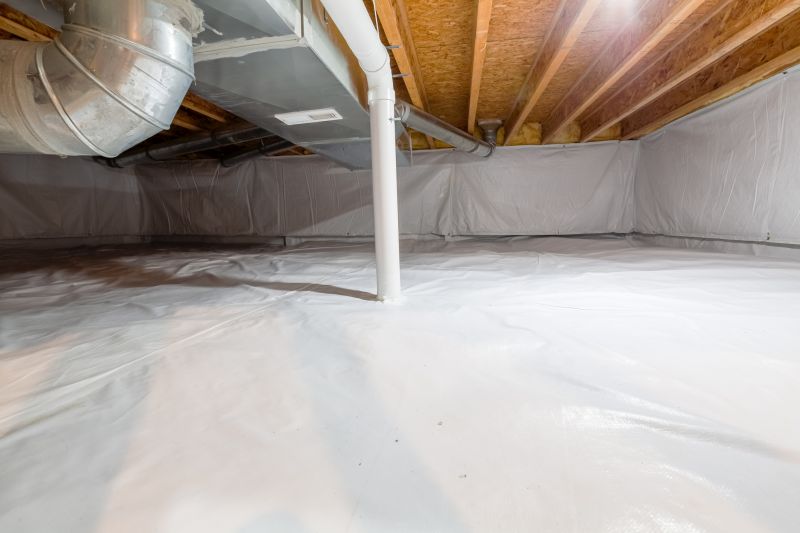
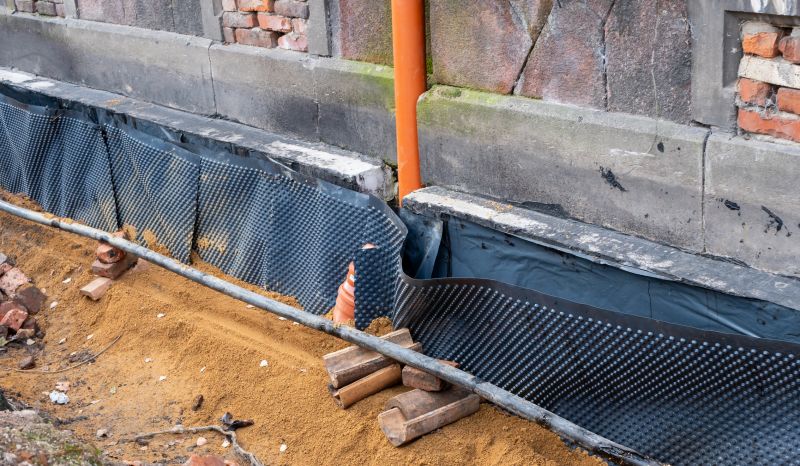
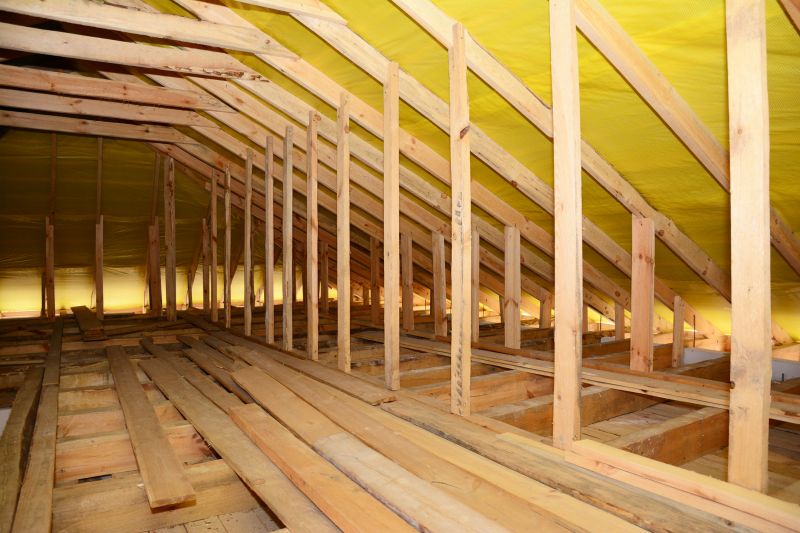
Vapor barrier installation services involve applying a specialized membrane to floors, walls, or crawl spaces to prevent moisture transfer. This process typically includes assessing the property’s specific needs, preparing the surface area, and carefully installing the barrier to ensure full coverage and proper sealing. The materials used are designed to resist water vapor, helping to create a controlled environment within the building’s interior spaces. Proper installation is essential to maximize the effectiveness of the vapor barrier and to ensure it functions as intended over time.
One of the primary issues vapor barrier installation addresses is excess moisture that can lead to structural damage, mold growth, and poor indoor air quality. By blocking moisture migration, vapor barriers help maintain a dry environment, which is particularly important in areas prone to high humidity or water exposure. This service is often recommended for properties experiencing persistent dampness, musty odors, or visible signs of moisture intrusion. Installing a vapor barrier can also contribute to better insulation performance and energy efficiency by reducing moisture-related thermal transfer.
Vapor barrier installation services are commonly sought for residential, commercial, and industrial properties. In homes, they are often installed in crawl spaces, basements, or underneath concrete slabs to prevent ground moisture from penetrating living spaces. Commercial buildings, especially those with extensive underground facilities or storage areas, may also require vapor barriers to protect equipment and infrastructure. Industrial facilities that handle moisture-sensitive materials or require controlled environments frequently utilize vapor barrier solutions to maintain specific humidity levels and prevent damage.
Professionals providing vapor barrier installation typically evaluate the property’s construction type, climate conditions, and moisture issues before recommending the appropriate materials and installation techniques. They ensure that barriers are properly sealed at all edges and penetrations to prevent moisture leaks. By addressing moisture concerns proactively, these services help improve the longevity and safety of a building’s structure, while also enhancing indoor comfort. Contacting experienced local contractors can facilitate the correct installation tailored to the specific needs of each property.
The overview below groups typical Vapor Barrier Installation projects into broad ranges so you can see how smaller, mid-sized, and larger jobs often compare in Lawrenceville, GA.
In many markets, a large share of routine jobs stays in the lower and middle ranges, while only a smaller percentage of projects moves into the highest bands when the work is more complex or site conditions are harder than average.
Material Costs - The cost of vapor barrier materials typically ranges from $0.25 to $0.75 per square foot, depending on the type and quality selected. For a standard basement, material expenses might total between $100 and $300.
Labor Expenses - Installation labor can vary from $1 to $3 per square foot, with total costs often falling between $200 and $600 for an average project. Rates depend on the complexity of the space and local contractor rates.
Additional Supplies - Additional items such as sealants, tapes, or fasteners may add $50 to $150 to the overall cost. These supplies ensure proper installation and long-term performance.
Project Size Impact - Larger areas generally incur higher costs due to increased material and labor needs, with per-square-foot prices decreasing slightly for extensive projects. For example, a 500-square-foot area might cost between $500 and $1,500 total.
Actual totals will depend on details like access to the work area, the scope of the project, and the materials selected, so use these as general starting points rather than exact figures.
Basement Renovation - Vapor barrier installation is essential in basement projects to prevent moisture buildup and protect structural integrity.
Attic Insulation - Proper vapor barriers are often integrated during attic insulation to control humidity levels and improve energy efficiency.
Concrete Floor Coatings - Installing vapor barriers beneath concrete slabs helps prevent moisture migration that can damage flooring finishes.
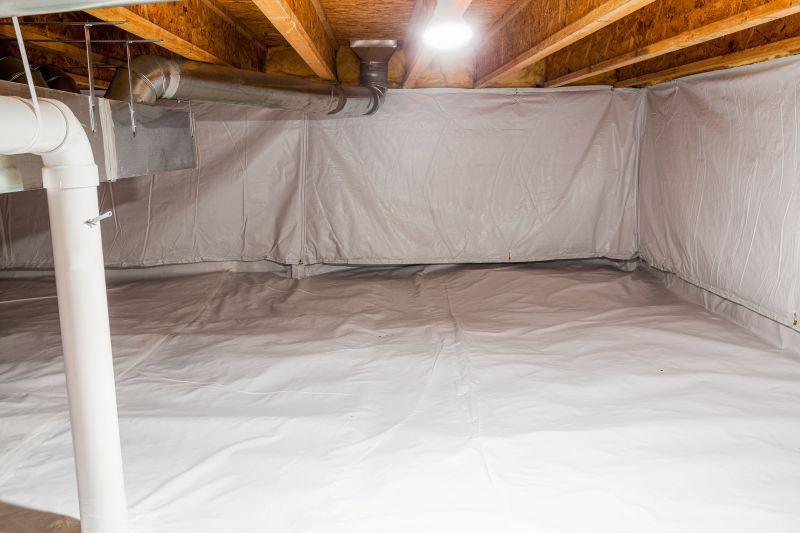
Crawl Space Encapsulation - Vapor barriers are a key component in encapsulation efforts to create a dry, mold-resistant crawl space environment.
Garage Conversion - Vapor barrier installation can be part of converting garages into living spaces by managing moisture and preventing mold growth.
Commercial Building Maintenance - Vapor barriers are used in commercial settings to control humidity and protect building materials from moisture damage.
When selecting a professional for vapor barrier installation, it’s important to consider the experience and background of the local service providers. Homeowners should look for contractors who have a proven track record in similar projects within the community, ensuring they are familiar with local building conditions and common challenges. While credentials like licensing are not specified, a history of completed work can serve as an indicator of reliability and skill, helping to establish confidence in their ability to deliver quality results.
Clear communication and well-defined expectations are essential when working with a vapor barrier installer. Homeowners are encouraged to discuss project scope, materials, and any specific requirements upfront to ensure mutual understanding. Reputable local pros often provide written estimates or proposals that outline the work to be performed, which can help prevent misunderstandings and set a transparent foundation for the project. Effective communication throughout the process can also facilitate timely updates and address any questions or concerns that may arise.
Referrals and references from previous clients can be valuable resources when evaluating local vapor barrier installation services. Homeowners should inquire about the experiences of past customers to gain insights into the pros’ professionalism, workmanship, and reliability. Additionally, seeking out local service providers with a reputation for quality work and positive feedback can help ensure the project proceeds smoothly. Remember, the information below introduces options for local pros but does not perform the work itself; it’s important to contact and verify details directly with the service providers to find the best fit for specific needs.
Property owners in Lawrenceville, GA use Vapor Barrier Installation services for practical projects around their homes and businesses. The sections below highlight everyday jobs and straightforward project options.
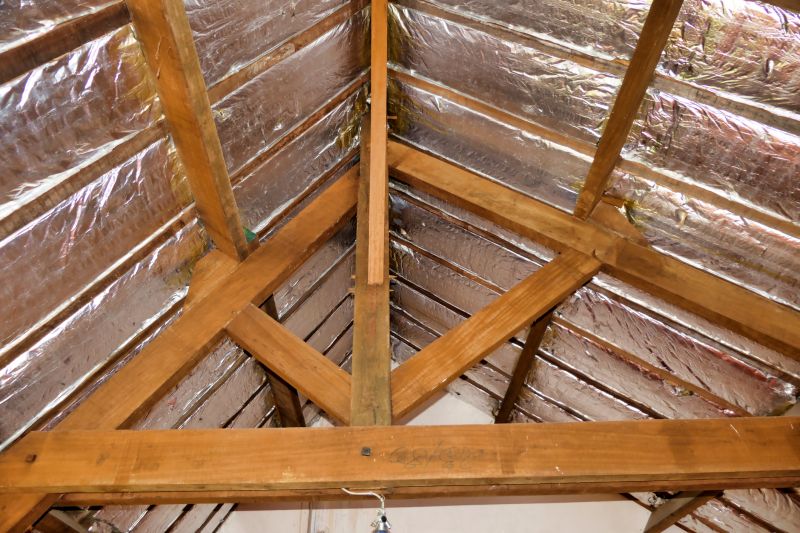
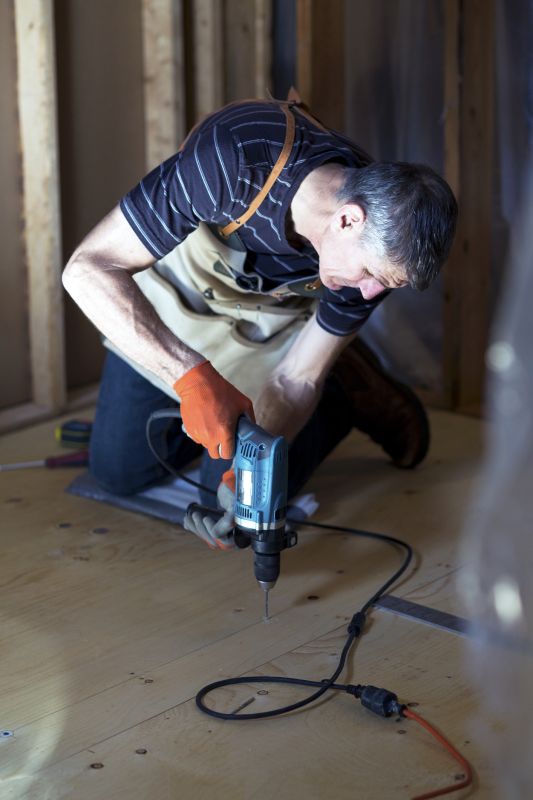
Vapor barrier installation services are often sought by property owners in Lawrenceville, GA, to help manage moisture issues in basements, crawl spaces, and other below-grade areas. When excess humidity or water vapor seeps through concrete or soil, it can lead to mold growth, wood rot, and poor indoor air quality. Local service providers can assess these spaces and recommend vapor barriers as a way to reduce moisture infiltration, helping to protect the structural integrity of the property and improve indoor comfort.
Property owners may also look for vapor barrier installation when preparing a space for finishing or renovation projects. Installing a vapor barrier can prevent moisture from affecting insulation and drywall, reducing the risk of future damage. Additionally, those dealing with damp or musty basements may seek professional services to install effective vapor barriers that contribute to a healthier, more stable environment inside their homes or commercial buildings.
What is a vapor barrier? A vapor barrier is a material installed to prevent moisture from passing through walls or floors, helping to control humidity and prevent mold growth.
Where are vapor barriers typically installed? Vapor barriers are commonly installed in basements, crawl spaces, and underneath concrete slabs to reduce moisture infiltration.
What materials are used for vapor barriers? Common vapor barrier materials include polyethylene plastic sheets, which are durable and effective at moisture prevention.
How do I know if I need a vapor barrier? A local professional can assess your space for signs of excess moisture or mold, indicating a vapor barrier may be beneficial.
Can vapor barriers be installed in existing structures? Yes, vapor barriers can be added to existing buildings, often during renovation or moisture mitigation projects.
Vapor Barrier Installation Overview - Local service providers can help ensure proper installation of vapor barriers to prevent moisture issues in various building types.
Benefits of Professional Installation - Expert installers can assess specific needs and recommend suitable vapor barrier materials for optimal performance.
Choosing the Right Materials - Contractors can advise on the best vapor barrier options based on climate, building use, and construction requirements.
Installation Process Insights - Professionals follow industry standards to properly install vapor barriers, helping to protect structures from moisture-related damage.
Considering Vapor Barrier Installation for a property in Lawrenceville, GA? The sections above highlight common project types, practical options, and details that often shape the scope of work.
When you are ready, use the quote form to share a few details about your project. Local pros can review the basics and respond with options that match what you have in mind.
